Introduction: The Evolution of Gaming Immersion
For decades, online gambling India meant staring at a 2D screen - a static interface that offered games but lacked the thrill, the atmosphere, and the social buzz of a physical casino. It was convenient, yes, but often felt cold and isolated.
Next up hit VR - this time around it was virtual reality making waves.
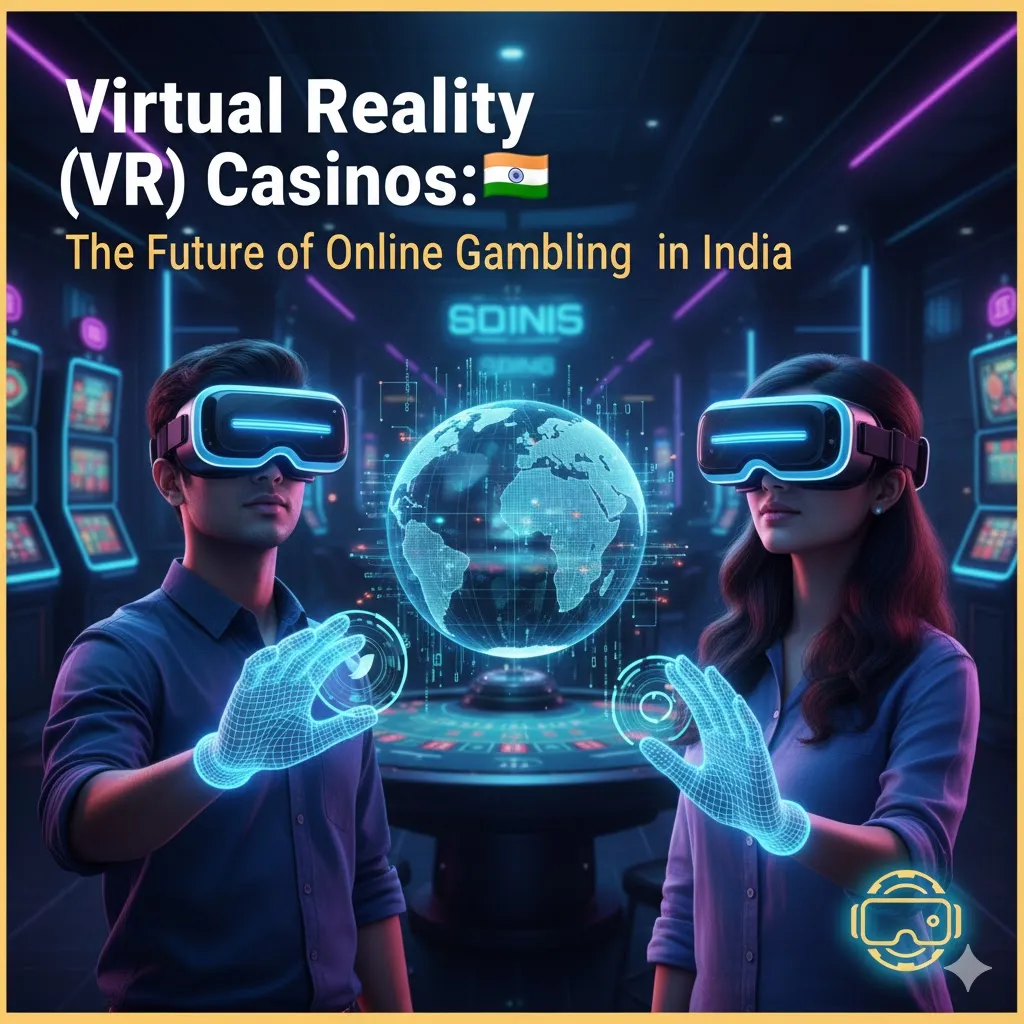
Step into a digital casino right from your couch - thanks to VR gear that makes it feel real. Picture yourself strolling toward a roulette wheel, catching bits of talk around you, then dropping your bet using hand motions in the game.
VR gambling spots get called the next big thing in digital betting games. Yet for folks in India, one key doubt pops up - can such high-tech fun survive where cash-based play faces tighter rules every day?
The solution needs to weigh tech possibilities against today’s legal limits from India's online betting ban - though rules restrict it, innovation keeps pushing forward - but still, laws haven't caught up yet - so progress moves slow despite new tools available - yet users find ways around barriers even when systems resist change.
What Exactly is a VR Casino? (Beyond the Headset)
To get what a VR casino’s about, start with the gear. Ditch those basic phone games - this hits way harder.
1. The Immersion Factor
A VR casino’s a made-up 3D space you jump into with a headset - say, Meta Quest or HTC Vive. Not a flat clip, but a place where you walk around, look stuff up close, maybe even grab things.
Being there: It’s about making your mind believe you’re inside the scene - like stepping into another world instead of just watching it. You build your own digital character to stand in for you online - this figure acts like you in virtual worlds. You don’t tap icons - you grab chips with hand controls, roll dice using motion feedback, pass out cards naturally, or wave at the dealer when it’s your turn.
The social side
The biggest improvement? It’s how you connect with others - something most old-school gambling apps just don’t have.
In a VR casino, you can:
Sit down at a card game where others join through little on-screen characters. Talk live with others by speaking directly. Watch how they move their avatars - it brings a mind game vibe to skill-based matches, kind of like poker.
This change - from staring at screens alone to doing it together - is what really shakes things up, hitting home in places like India where people love connecting face-to-face.
The Technical Requirements for VR Gaming in India
VR's on the rise - yet it needs special gear along with solid connections.
1. Hardware
Though top-tier VR needs pricey computers, in India most folks go for self-contained headsets - take the Meta Quest line, for example. Prices on these are dropping, so more young people into deep-dive games can now afford them.
2. Connectivity
VR stuff needs fast internet with almost no lag because it uses tons of data - otherwise you might feel dizzy or lose the sense of being inside the experience.
5G’s part: In India, spreading 5G fast really matters. Because it brings super quick responses - almost no lag - which helps VR run smoothly on the spot. The scene's expanding quick - immersive tech and digital setups across Asia Pacific are booming, which means India’s path to VR isn’t starting from scratch but riding an existing wave.
The Legal Elephant in the Room: The Indian Gaming Act 2025
Though the tech feels thrilling, let’s face the facts straight up - by 2025, India's government clearly said no to cash-based VR betting. Instead of allowing it, they banned outright.
The Promotion and Regulation of Online Gaming Act, 2025 shuts down any online game where real cash is staked, bet, or put at risk - so now it doesn't matter if the game relies on luck or talent when money's involved.
The issue? When players swap real cash for chips or bets in a VR casino, it becomes an internet gambling setup. Even though VR feels lifelike, that realism doesn't dodge the core restriction. Officials worry virtual spaces might hide shady cash moves - so they’re stepping up efforts to stop it. Some online environments let users stay hidden, which could help criminals clean dirty money. That’s why regulators are now pushing harder on rules. These digital areas feel real, making them tricky to monitor. Action is being taken before problems grow larger. Enforcement Challenges: Although VR casino platforms are often hosted offshore, the Indian government can and does: Stop people from visiting websites using rules in Section 69A of the IT Act. Demand banks or payment apps refuse transfers to unknown groups.
For Indian readers, engaging in real-money VR gambling, even using foreign-hosted platforms, carries significant legal and financial risk.
Internal Backlink: To understand how India is cracking down on these transactions, explore our detailed analysis: “Best UPI Betting Sites India” → [/best-upi-betting-sites-india]
The Future: VR for Social and Skill-Based Gaming
Even though betting with cash isn't allowed, VR still works - just shifts focus to other approved online fun. India's rules push:
1. VR E-Sports and Education
VR builds lifelike gaming arenas plus practice zones that feel real. That’s where new ideas, funding, or policy backing tend to go.
- Virtual casino games you play with others online - no cost to join in
The most likely and legal path for "VR Casinos" in India is the free-to-play, social model.
Play online games with fake money - step into a lively 3D casino space, meet up with buddies, or try your luck at poker and roulette where chips don’t cost a thing. Folks might cash in by making things look good. Sites could make money using allowed ways - like offering digital stuff you can buy, say fresh outfits for your character or cool table designs, even fake cigars - not from people losing bets.
This method uses what works - like engagement, chatting, people having a good time - but skips around tight rules on betting actual cash.
If you're curious about safe and legal gaming habits in India, check out this guide on responsible betting practices here → [/responsible-betting-practices-india]
Conclusion: A Future of Immersive, Legal Digital Entertainment
VR casinos are a big tech upgrade - they turn flat online games into lively 3D spaces where people can interact. Instead of dull screens, you step into dynamic virtual rooms full of action and real-time chats.
Still, folks into online betting in India should keep their expectations in check when it comes to this high-tech trend. Since authorities are strictly against cash-based games, virtual reality casinos won’t focus on actual bets - instead, they’ll lean toward interactive play without money involved.
India's digital path moves fast, filled with new tech and deep experiences. Once VR gear feels normal, online casino spaces will pop up - spots where locals hang out, chat, or join games. Still, for now, the coins used are just pixels on screen; wins don't pay cash but feed pride instead.